Microneedling vs. Laser Resurfacing: What’s the Difference?
If you’re looking to improve your skin’s texture, tone, and overall radiance, two of the most effective non-surgical treatments available are microneedling and laser resurfacing. While they both aim to rejuvenate the skin, the way they work—and the type of results they deliver—are quite different.
At Ageless Aesthetics, we offer both microneedling and laser resurfacing options at our Indianapolis and Greenwood locations. Our patients often ask which one is right for them, and the answer depends on your skin goals, downtime tolerance, and what type of correction you’re hoping to achieve. In this guide, we’ll walk you through the core differences between the two, so you can better understand which approach may be the best fit for your needs.
How Microneedling Works
Microneedling, also known as collagen induction therapy, uses a handheld device equipped with fine needles to create tiny punctures in the skin’s surface. These controlled micro-injuries trigger the body’s natural healing process, stimulating the production of collagen and elastin.
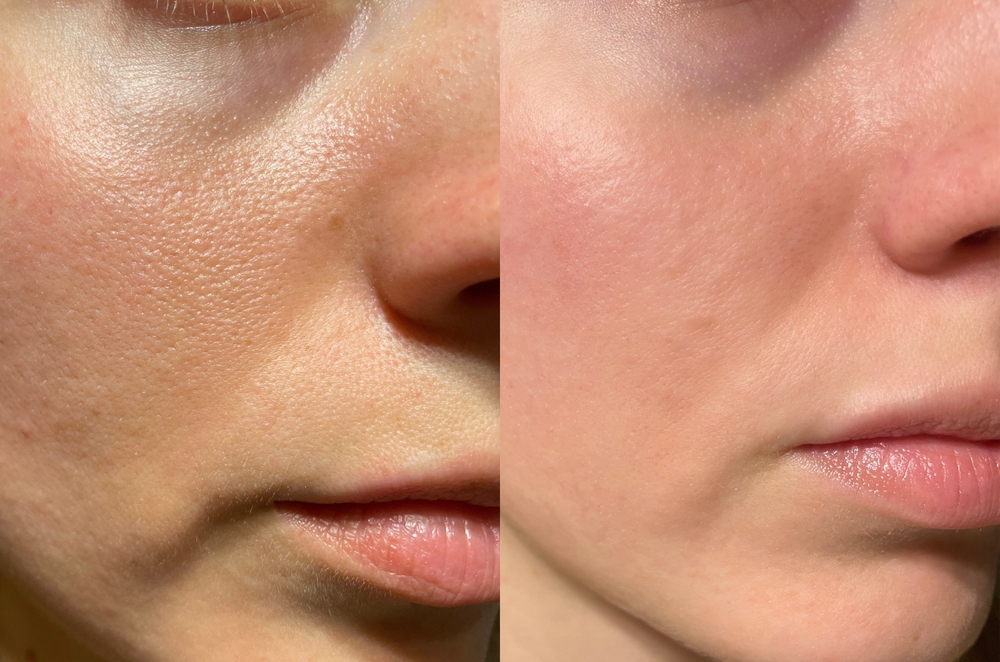
The result is smoother, firmer, more even-toned skin over time. Microneedling is often used to treat fine lines, enlarged pores, acne scars, dullness, and mild laxity. It’s especially beneficial for patients who want gradual improvement with minimal downtime.
Microneedling may be performed with serums, growth factors, or exosome products when a qualified provider determines that this is appropriate and follows product-specific instructions.
How Laser Resurfacing Works
Laser resurfacing involves the use of concentrated light energy to precisely remove layers of damaged skin. This process stimulates new cell growth while also encouraging deeper collagen remodeling. Unlike microneedling, which works mechanically, laser resurfacing works through light and heat.
There are different types of lasers—ablative and non-ablative. Ablative lasers remove layers of skin and deliver more dramatic results but require longer recovery. Non-ablative lasers target deeper layers while leaving the surface intact, offering a milder treatment with less downtime.
At Ageless Aesthetics, we use fractional laser technology that treats small zones at a time, allowing the skin to heal faster while still delivering significant improvement in texture, tone, and pigmentation.
What They Treat Best
Both microneedling and laser resurfacing target signs of aging and skin damage, but they shine in slightly different areas.
Microneedling is particularly effective for:
- Early signs of aging (fine lines, skin texture)
- Acne scars and superficial scarring
- Large pores
- General tone and radiance improvement
- Patients with darker skin types (safer and lower risk of pigmentation changes)
Laser resurfacing is more commonly chosen for:
- Deeper wrinkles and etched-in lines
- Sun damage and uneven pigmentation
- Surgical or traumatic scars
- More advanced skin laxity
- Significant texture irregularities
Laser resurfacing tends to offer more dramatic results per session, while microneedling is favored for gradual, cumulative improvement.
Downtime and Discomfort
One of the biggest deciding factors for patients is how much downtime they’re comfortable with. Microneedling requires little to no real downtime. Most patients experience mild redness and a rough skin texture for 24 to 72 hours post-treatment. You can resume normal activities quickly, with only a few skincare restrictions.
Laser resurfacing can come with more recovery. After treatment, your skin may be red, swollen, and flaky for several days. Deeper laser treatments may result in a week or more of healing time. That said, some patients prefer this tradeoff if it means faster, more visible results.
Pain-wise, both treatments are well tolerated. Microneedling feels like light pricking or pressure and is often performed with numbing cream. Laser resurfacing can feel like heat or snapping, depending on the depth and type of laser used, but we always use appropriate anesthetic methods to keep you comfortable.
How Many Sessions Do You Need?
With microneedling, a series of treatments is usually recommended. Most patients benefit from 3 to 6 sessions spaced 4 to 6 weeks apart, with maintenance every few months depending on skin goals.
Laser resurfacing can require fewer sessions for more dramatic correction. Depending on the issue being treated, you may see results from a single treatment or a small series of 2 to 3 sessions spaced farther apart.
We’ll help you plan your treatment schedule based on what your skin needs, how quickly you want to see changes, and what fits your lifestyle.
Can You Combine Them?
Absolutely. Many patients benefit from alternating microneedling and laser resurfacing or doing one type of treatment to prepare the skin for the other. For example, a series of microneedling sessions can help strengthen sensitive or post-acne skin before laser resurfacing is introduced.
We can also create layered plans that incorporate injectables, medical-grade skincare, and either microneedling or laser—depending on your timeline and your skin’s behavior.
Quick Comparison Summary
Here’s a quick look at how these treatments stack up side by side:
Microneedling:
- Mechanical stimulation using fine needles
- Treats fine lines, texture, acne scars, large pores
- Minimal downtime (1–3 days of redness)
- Best in a series of 3–6 treatments
- Ideal for all skin tones
- May be paired with exosome products or serums when clinically appropriate
Laser Resurfacing:
- Light and heat-based treatment
- Treats wrinkles, sun damage, deep scars, pigmentation
- More visible peeling, longer recovery (3–7+ days)
- Often fewer sessions needed
- May not be ideal for very dark skin types without specialized devices
- Delivers dramatic skin rejuvenation
Which One Is Right for You?
If you’re new to skin treatments or want to ease into non-invasive care, microneedling is a great place to start. It’s gentle, effective, and works well for most skin types without requiring major downtime. Patients in their 20s and 30s often use microneedling for maintenance or acne scar correction.
If your skin has more advanced signs of aging, pigmentation, or damage from sun exposure, laser resurfacing may be the better option. It offers a more aggressive remodeling effect and can correct deeper texture and discoloration in fewer sessions.
Ultimately, the best treatment is the one that fits your goals, lifestyle, and skin history. That’s why we always begin with a thorough consultation, where we evaluate your skin, ask about your concerns, and build a plan that aligns with both short-term improvements and long-term skin health.
Let Us Help You Decide
Choosing between microneedling and laser resurfacing doesn’t have to be overwhelming. With expert guidance, a tailored plan, and access to the most advanced skin rejuvenation tools, you’ll feel confident in your decision—and even more confident in your skin.
Call or text 317.855.9100 to schedule your consultation.
At Ageless Aesthetics, we’ll help you choose the right treatment, at the right time, for the results you deserve.
About the Author
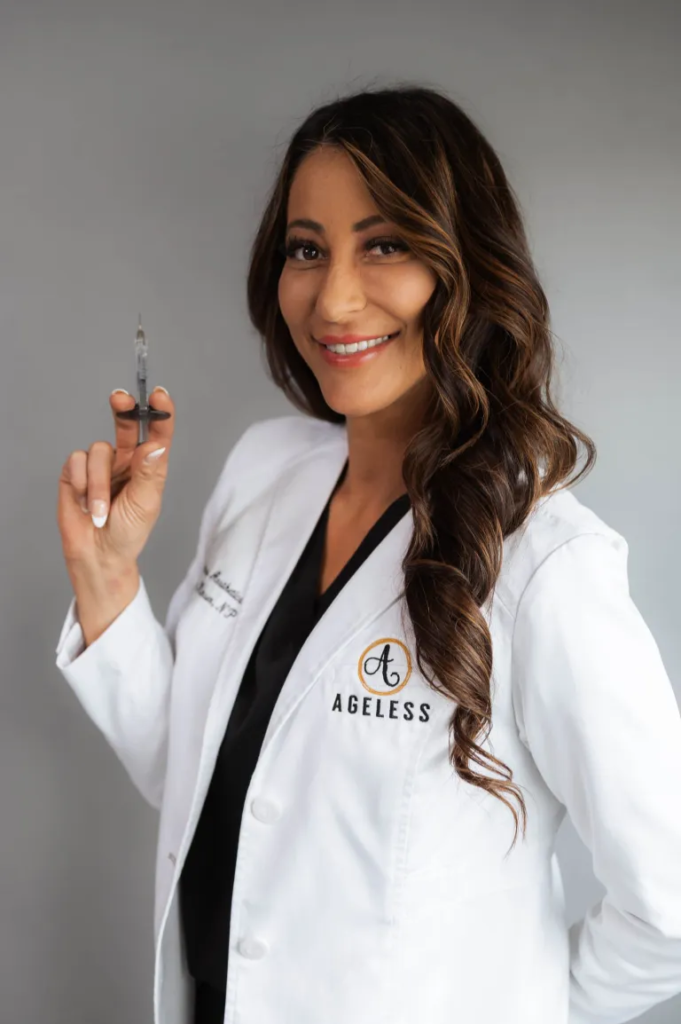
I’m Shelley Clayton, FNP-BC, a board-certified family nurse practitioner, founder, and aesthetic injector based in Indianapolis, with over a decade of experience in healthcare and aesthetic medicine. As a master in PDO threads, injectables, and laser treatment modalities, my passion for beauty and wellness is matched only by my commitment to the highest standard of care. I believe every patient deserves a truly personalized approach, one that honors their unique goals and delivers natural, results-driven outcomes. My expertise and artistry draw patients from across the country, and I take pride in making sure each one leaves confident and seen.